The 7 Most Popular Oil Painting Styles for Portraits Explained
From photorealism to impressionism, every portrait style tells a different story. This guide explains the seven most popular oil painting styles for portraits — what they look like, how they feel, and which one is right for your commission.
Every Style Tells a Different Story
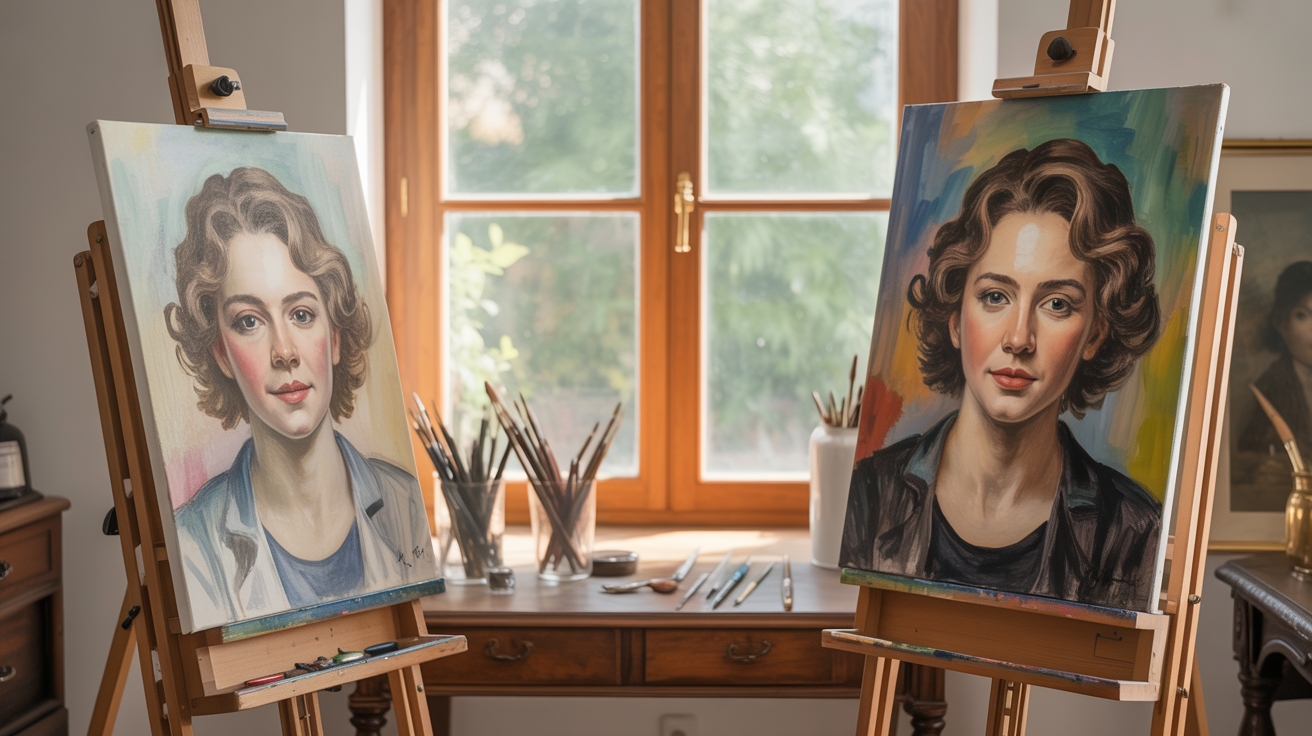
When you commission a portrait, the style you choose determines not just how the painting looks — but how it feels. A realist portrait says "this is exactly who they are." An impressionist portrait says "this is the light they carried." An expressionist portrait says "this is the energy they radiated."
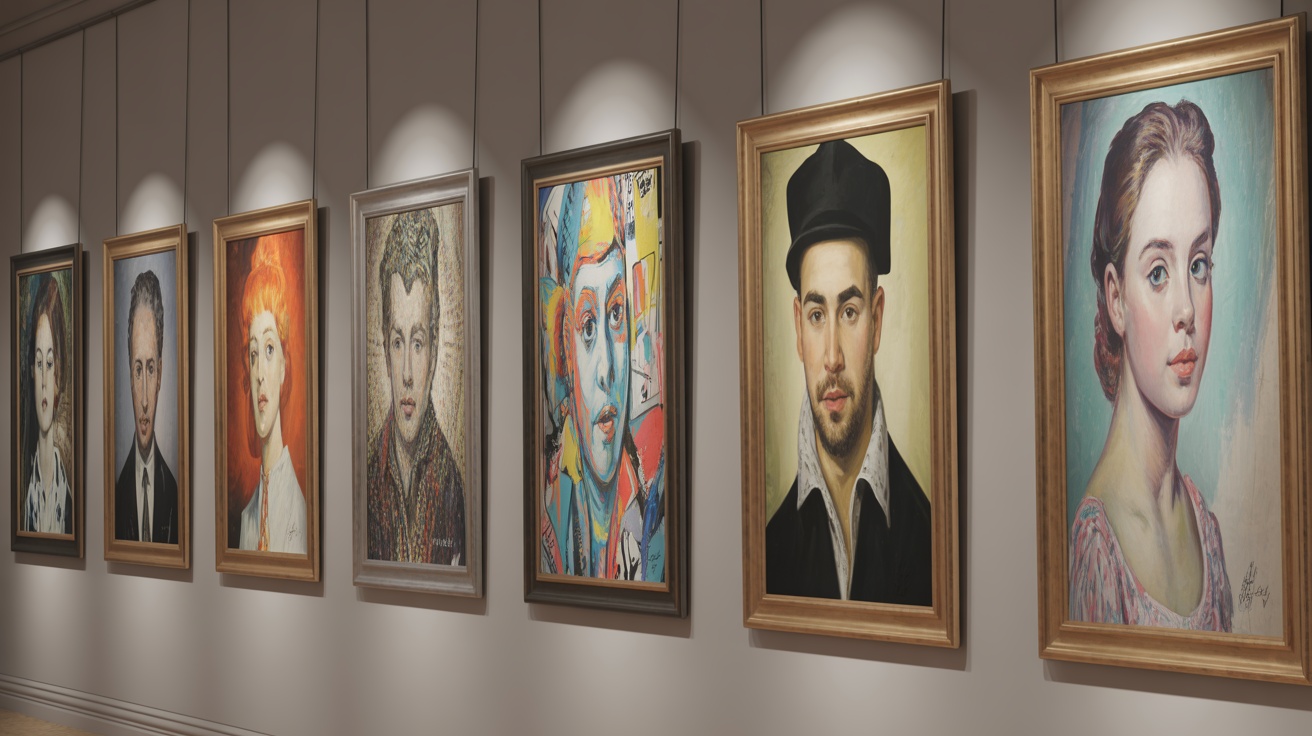
Understanding the major portrait painting styles helps you make a choice that matches your intention. Here are the seven most popular styles, explained in plain language with examples of when each one shines.
1. Classical Realism
What It Looks Like
Classical realism aims to depict the subject as they truly appear — accurate proportions, natural skin tones, lifelike eyes, and careful attention to light and shadow. The brushwork is refined but visible, giving the painting warmth without calling attention to the technique.
The Feeling
Timeless. Dignified. Honest. A classical realist portrait feels like the subject could step out of the frame. It is the most universally appealing style because it prioritises truth over theatrics.
Best For
- Family portraits where likeness matters
- Memorial portraits that honour the person as they were
- Professional and military portraits
- Gifts for recipients with traditional taste
Art Historical Context
Classical realism descends from the Renaissance masters — Leonardo, Raphael, and later the Dutch Golden Age painters like Vermeer. It remains the dominant style in portrait painting for good reason: it works.
2. Impressionism
What It Looks Like
Impressionistic portraits use visible, often broken brushstrokes to capture the impression of a subject rather than precise details. Colours are applied in dabs and dashes, creating a vibrant, shimmering quality. Up close, the painting looks like abstract patches of colour. Step back, and the subject materialises with extraordinary life.
The Feeling
Dreamlike. Luminous. Alive. Impressionist portraits capture light and atmosphere rather than every physical detail. They feel like a memory of a person rather than a clinical record.
Best For
- Subjects with a warm, radiant personality
- Outdoor scenes or garden settings
- Pet portraits that prioritise character over precision
- Clients who appreciate fine art and want something gallery-worthy
Art Historical Context
Born in 1870s Paris with Monet, Renoir, and Degas, impressionism was revolutionary in its rejection of photographic accuracy in favour of feeling. Renoir's portraits, in particular, remain some of the most beloved in art history.
3. Photorealism
What It Looks Like
Photorealist portraits are painted with such precision that they are nearly indistinguishable from photographs. Brushstrokes are invisible. Every pore, every hair, every reflection in the eye is rendered with meticulous accuracy.
The Feeling
Astonishing. Technically brilliant. The initial reaction is always "that cannot be a painting." Photorealism impresses through sheer virtuosity — the viewer marvels at the artist's skill.
Best For
- Clients who want maximum accuracy and detail
- Portraits intended to be conversation pieces
- Close-up portraits where facial detail is paramount
- Commissions where the photo itself is particularly beautiful
Art Historical Context
Photorealism emerged in the 1960s and 1970s as a reaction against abstract art, with artists like Chuck Close creating monumental portraits of startling accuracy.
4. Expressionism
What It Looks Like
Expressionist portraits prioritise emotional intensity over physical accuracy. Colours are exaggerated — a face might be painted in blues and greens, a background in violent reds. Brushwork is bold, gestural, and energetic. The proportions may be distorted for emotional effect.
The Feeling
Intense. Emotional. Unforgettable. Expressionist portraits do not whisper — they shout. They capture the internal life of the subject rather than the external appearance.
Best For
- Subjects with strong, vibrant personalities
- Modern interiors that can handle bold art
- Clients who want a statement piece rather than a traditional portrait
- Portraits that prioritise emotion over likeness
Art Historical Context
Expressionism flourished in early 20th-century Germany with artists like Ernst Ludwig Kirchner and the Die Brücke group. The style extended through artists like Egon Schiele and Lucian Freud.
5. Baroque/Chiaroscuro
What It Looks Like
Baroque portraits use dramatic contrasts of light and shadow — a technique called chiaroscuro — to create depth and visual impact. The subject is typically lit by a single strong light source, with portions of the face emerging from deep shadow. Backgrounds are often very dark.
The Feeling
Dramatic. Powerful. Cinematic. Baroque portraits carry a sense of gravitas and theatre. The interplay of light and darkness gives the subject an almost spiritual presence.
Best For
- Portraits intended to be dramatic focal points
- Memorial portraits with an emotional, reverent tone
- Subjects with strong facial features and character
- Dark or moody interior settings
Art Historical Context
The Baroque masters — Caravaggio and Rembrandt, above all — elevated chiaroscuro into one of the most powerful tools in portrait painting. Their influence is still felt in every dramatically lit portrait today.
6. Contemporary/Modern
What It Looks Like
Contemporary portraits blend traditional oil painting with modern aesthetics — clean compositions, simplified backgrounds, bold colour choices, and a focus on design as well as representation. The style sits between realism and something more graphic.
The Feeling
Fresh. Stylish. Current. Contemporary portraits feel like they belong in a modern home — they have the warmth of oil paint with the visual clarity of modern design.
Best For
- Modern and minimalist interiors
- Younger subjects or couples
- Pet portraits with a clean, graphic quality
- Clients who want something artistic but not abstract
Art Historical Context
Contemporary portraiture draws on the simplification of the 20th century — think Alex Katz's clean forms and David Hockney's bright, flat compositions — while retaining the medium's traditional warmth.
7. Romantic/Soft Focus
What It Looks Like
Romantic portraits use soft edges, warm palettes, and idealised features to create images of gentle beauty. The technique emphasises atmosphere over detail — backgrounds dissolve into soft washes, edges blur, and the overall effect is tender and flattering.
The Feeling
Gentle. Beautiful. Nostalgic. Romantic portraits make the subject look their very best — not through distortion, but through the soft handling of light and a palette that radiates warmth.
Best For
- Wedding and couple portraits
- Portraits of children and babies
- Gifts with a romantic or sentimental purpose
- Clients who want a flattering, idealised image
Art Historical Context
The Romantic portrait tradition stretches from Thomas Lawrence's elegant 19th-century works through John Singer Sargent's luminous society portraits, and continues to influence portrait painters today.
How to Choose Your Style
Consider the Subject
A distinguished grandfather suits classical realism. A vibrant pet suits impressionism. A bold personality suits expressionism. Let the subject guide the style.
Consider the Setting
Where will the painting hang? A traditional home calls for realism or baroque. A modern apartment suits contemporary or impressionist. The painting should complement its environment.
Consider the Purpose
A memorial portrait demands dignity — realism or baroque. A birthday gift allows more playfulness — impressionism or contemporary. A wedding portrait benefits from romantic soft focus. Match the style to the occasion.
When in Doubt
Choose classical realism. It is universally appealing, timelessly beautiful, and never goes wrong.
Every PaintedForU portrait comes with unlimited free revisions, free shipping, and a 100% satisfaction guarantee.
Start your portrait now and choose the style that tells your story.Frequently Asked Questions
What is the most popular portrait painting style?
Classical realism is the most popular style for custom portrait commissions. It captures the subject with lifelike accuracy while retaining the warmth and depth that only hand-painted oil can deliver. Most clients choose realism for family, pet, and memorial portraits.
What is the difference between realism and photorealism?
Realism captures the subject accurately with visible brushwork and artistic interpretation. Photorealism aims to be virtually indistinguishable from a photograph, with invisible brushstrokes and extreme precision. Realism has more warmth; photorealism has more technical precision.
Which portrait style is best for a gift?
Classical realism is the safest choice for a gift — universally appealing and timeless. Impressionism is beautiful for a more artistic recipient. Pop art works for someone with bold, contemporary taste. When in doubt, realism never fails.
Can I mix styles in my portrait?
Yes. Many clients request a realistic face with an impressionistic background, or a classical composition with expressionistic colour choices. Our artists can blend elements from different styles to create something unique.
Which style works best for pet portraits?
Realism is the most popular choice for pet portraits because owners want accurate likeness. However, impressionism captures personality beautifully, and expressionism can convey a pet's energy and character in bold, vibrant ways.
Does the painting style affect the price?
All styles at PaintedForU are priced the same. The cost depends on canvas size and number of subjects, not the artistic style. Prices start at $149 with unlimited free revisions and free shipping.
Marcus Rivera
Lead Portrait Artist
Marcus is PaintForU's lead portrait artist and studio director. With a Fine Arts degree from the Royal Academy, he brings deep knowledge of oil painting techniques to every guide he writes.
Ready to Create Your Portrait?
Free worldwide shipping, unlimited revisions, and 100% satisfaction guaranteed.
Start Your Portrait